Antoine Semenyo's mother didn't have a good reason ready. When her son asked why he should play for Ghana instead of England, the country he was born in, the country whose academies could have made him, she froze. "I said you have to play for Ghana," she recalled. He asked why. "Then I didn't have any words."
That blank pause is the whole story of this World Cup's African squads. There's no spreadsheet answer to it. No career-optimisation logic. Just a pull that a mother couldn't put into a sentence and a son followed anyway.
Across the 2026 tournament, a chunk of Africa's best players grew up somewhere else. London. Rouen. Croydon. They learned the game in European systems, got watched by European scouts, and in some cases wore European youth shirts. Then they chose the green of the country in their blood over the badge of the country on their passport. Here are the ones worth knowing.
Antoine Semenyo: Ghana Over England, And It Wasn't Close
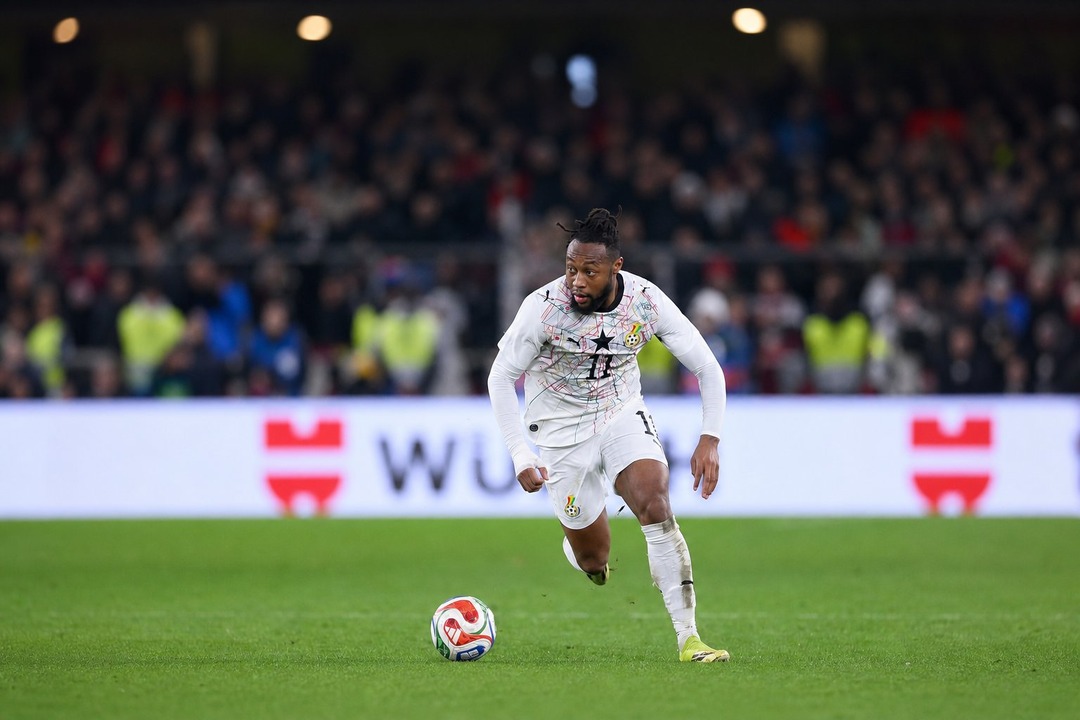
Image credit (GFA)
Start with the Bournemouth and now Manchester City forward, because he's the cleanest case and the loudest about it. Born in London to Ghanaian parents, Semenyo was eligible for England and France. He never earned a senior England cap, and by his own telling he was never really in the picture.
When Ghana came calling, he didn't deliberate. "Ghana came at 20, 21, and I can't turn down playing first team for Ghana, so it was such an easy decision," he said. "I was never in the England rankings like that anyway."
The part that lands hardest is his father's reaction. "My dad was so happy, celebrating. He was like, yeah, you didn't play for England. Everyone in my family was so happy."
There's a clean bit of theatre waiting too. Ghana and England were drawn together in Group L, and they meet in Boston on June 23. Semenyo gets to face the land of his birth, in the shirt he picked over it. You couldn't script it better.
Iliman Ndiaye: Born in France, Made By Everywhere
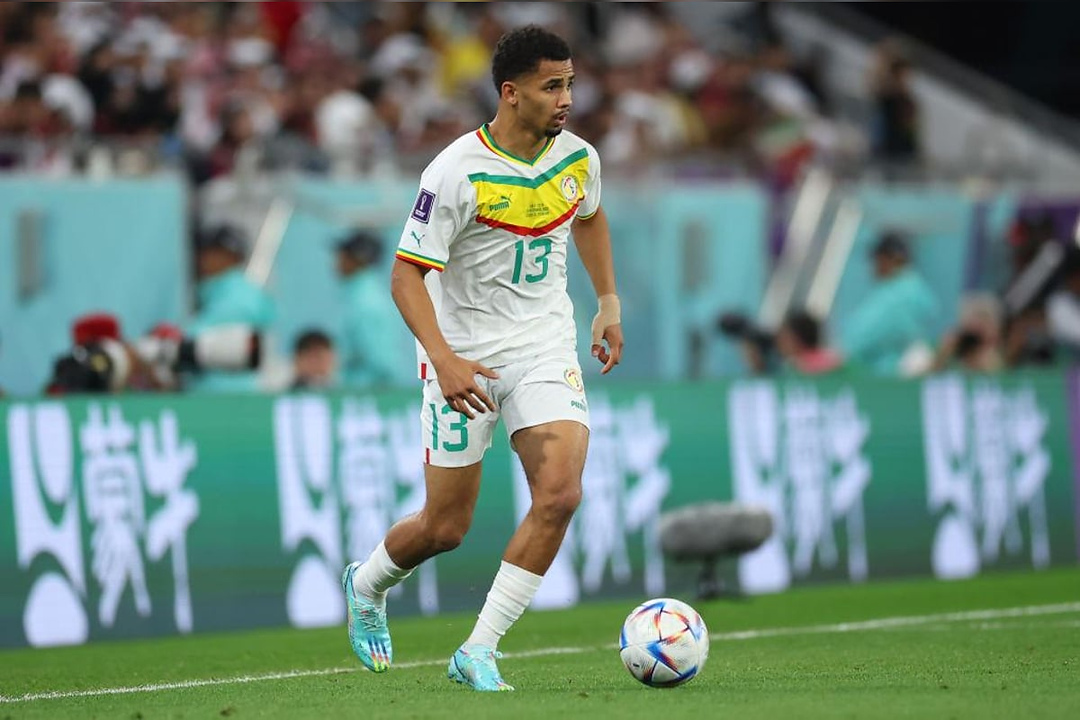
Photo Credit ( CAF)
The Everton forward's story is messier and more interesting than a simple France-or-Senegal switch. Ndiaye was born in Rouen and came through French youth football at Rouen and Marseille. Then he moved to Dakar Sacré-Cœur in Senegal, the country of his father's birth, before following his father to England and joining non-league Boreham Wood.
France, Senegal, England, all three shaped him before Sheffield United ever signed him. He chose Senegal, debuting in 2022. In January 2026 he helped them win the Africa Cup of Nations.
A kid who could have leaned French at several forks kept choosing the green, and now he's one of the faces of a Senegal side opening against France itself.
Aaron Wan-Bissaka: The One Who Actually Wore Blue First
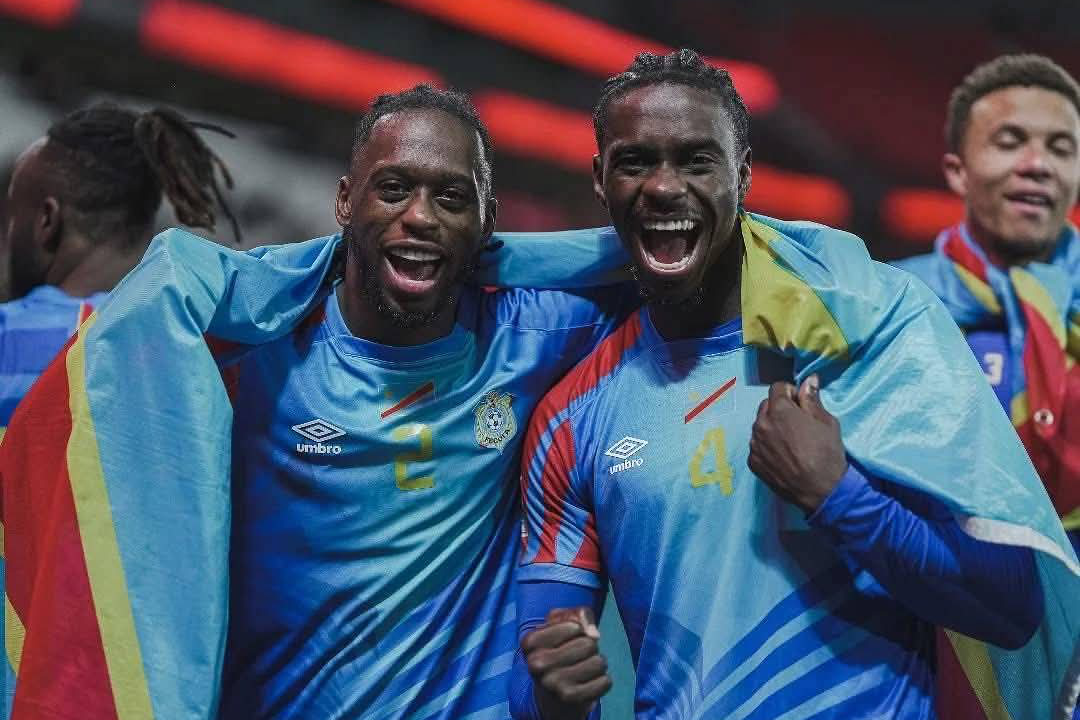
Photo Credit (CAF)
Here's the player who makes the title literal. Croydon-born, Wan-Bissaka was capped by England at Under-21 level and called into the senior squad in 2019, though he never made an appearance. He came through Crystal Palace's academy and was a Premier League regular for years. He had gone further down the England road than most diaspora players ever do.
DR Congo first approached him years ago, and he turned them down, considering it more than once before saying no. Then, last year, he changed his mind. The West Ham defender switched allegiance to DR Congo in August 2025 and has since won nine caps for the Leopards. It put him in the squad for DR Congo's first World Cup since 1974, when they played as Zaire.
He's not alone in that Congo dressing room either. Axel Tuanzebe also represented England's youth teams before switching, and Gaël Kakuta came through France's youth ranks before declaring for the Leopards. The whole squad is diaspora-built, most of them raised in Belgium or France and developed in the Premier League, Ligue 1 and LaLiga.
Ayyoub Bouaddi: captained France, chose Morocco
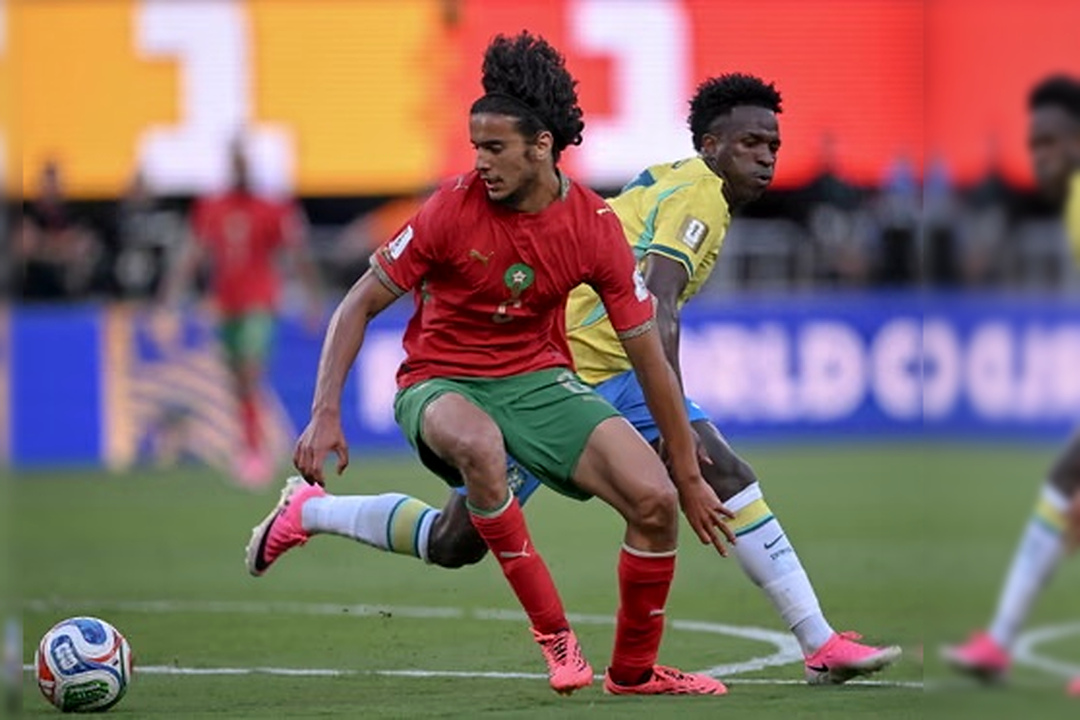
Photo Credit ( Getty Images)
This is the one that stings for Les Bleus. Born in Senlis just north of Paris to Moroccan parents, Bouaddi didn't just sit in France's youth pipeline, he captained the Under-21s this year. He was as inside the French project as an 18-year-old gets.
Then he walked. FIFA cleared his switch to Morocco on 15 May 2026, the same week France named a World Cup squad without him, and the Atlas Lions had their man. What makes it bite is that he reportedly wanted France. Zinedine Zidane, the man tipped to take the France job next, spoke to him directly and, by one account, told him: "I like you, but I can't promise you anything." Morocco could promise him something. They promised him now.
He repaid them on the biggest stage immediately. On his first competitive start he ran Morocco's midfield in a 1-1 draw with Brazil, surging through the centre so often that Carlo Ancelotti pulled Casemiro at half-time. An 18-year-old who could have waited politely in France's queue instead made Brazil chase him in a Morocco shirt. That's the choice, justified inside ninety minutes.
Why This Keeps Happening
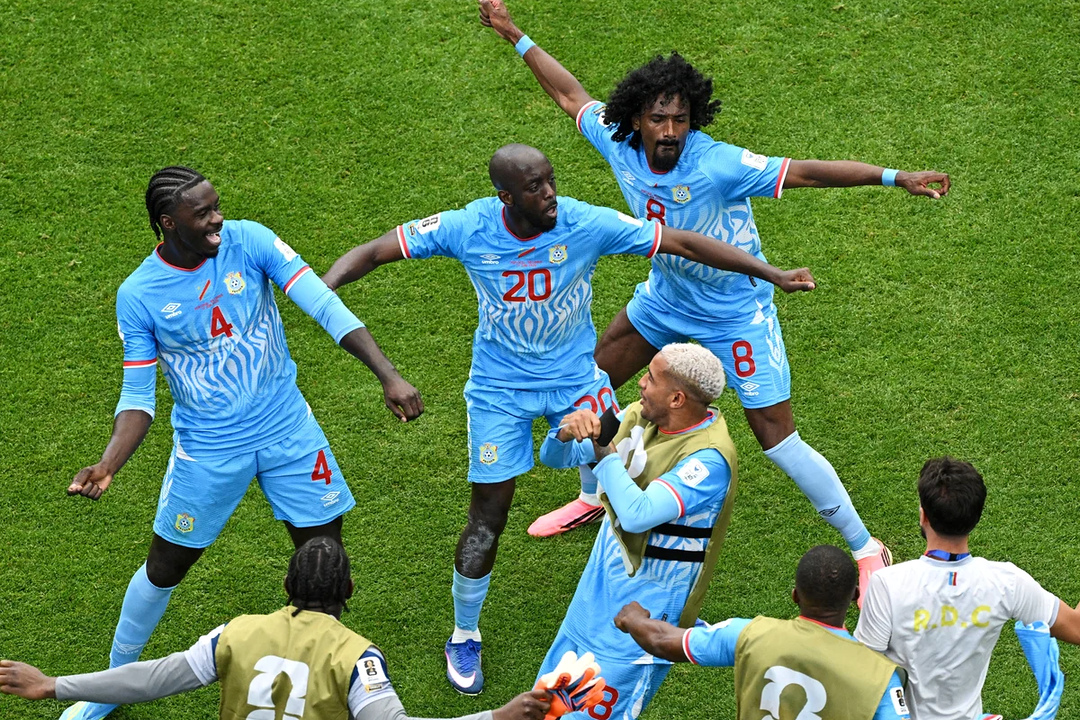
Photo Credit (Reuters)
The cynical read is that these are players who couldn't crack England or France and took the next-best shirt. Sometimes the maths does line up that way. When a player isn't central to England's or France's plans, the certainty of senior international football elsewhere becomes hard to ignore.
But that explanation runs out fast. It can't account for Semenyo's father celebrating, or a mother who couldn't find words and didn't need them, or an 18-year-old who reportedly wanted France and picked Morocco anyway. African federations have leaned into diaspora recruitment as a deliberate strategy, and it's reshaping their squads. The federations send the invitation. What they can't manufacture is the thing that makes a London or Senlis kid say yes.
You saw the payoff in Houston this week. DR Congo walked out against Portugal for their first World Cup match since 1974, when they were Zaire, and they didn't blink. They held Ronaldo's Portugal to a 1-1 draw and claimed the first World Cup point in the nation's history. The goal that earned it was headed in by Yoane Wissa, born in France, playing for Congo. The diaspora choice didn't just fill a squad sheet. It scored the goal that made history.
These players had the easier road available to them, in blue. They took the other one. Semenyo, Bouaddi, Wan-Bissaka, Wissa, all of them could have been on the other side. They chose home instead, and home is already glad they did.